Observing, analyzing, and understanding the processes that drive the transformation of our planet enable space science and technology to generate high-precision data that guide strategic decisions, advance research, and strengthen our ability to respond to environmental challenges. Each study expands our knowledge of Earth’s systems and underscores the importance of maintaining continuous monitoring of ecosystems as a cornerstone of progress in the space sector.
Text: Mara Russo
December 16th, 2019
Polar bears on the MOSAiC expedition in the Arctic
During the MOSAiC expedition in the Arctic, two polar bears were captured interacting with the research markers, offering a glimpse of wildlife in the midst of an extreme environment. The photograph reflects both the beauty of these predators and the scale of the scientific endeavor, led by the German icebreaker Polarstern, which spent a full year frozen in the sea ice studying the effects of climate change in the region.
The scene invites us to contemplate the interconnection between nature and Arctic science within the broader study of environmental impacts.
Credit: ESA
December 16th 2022
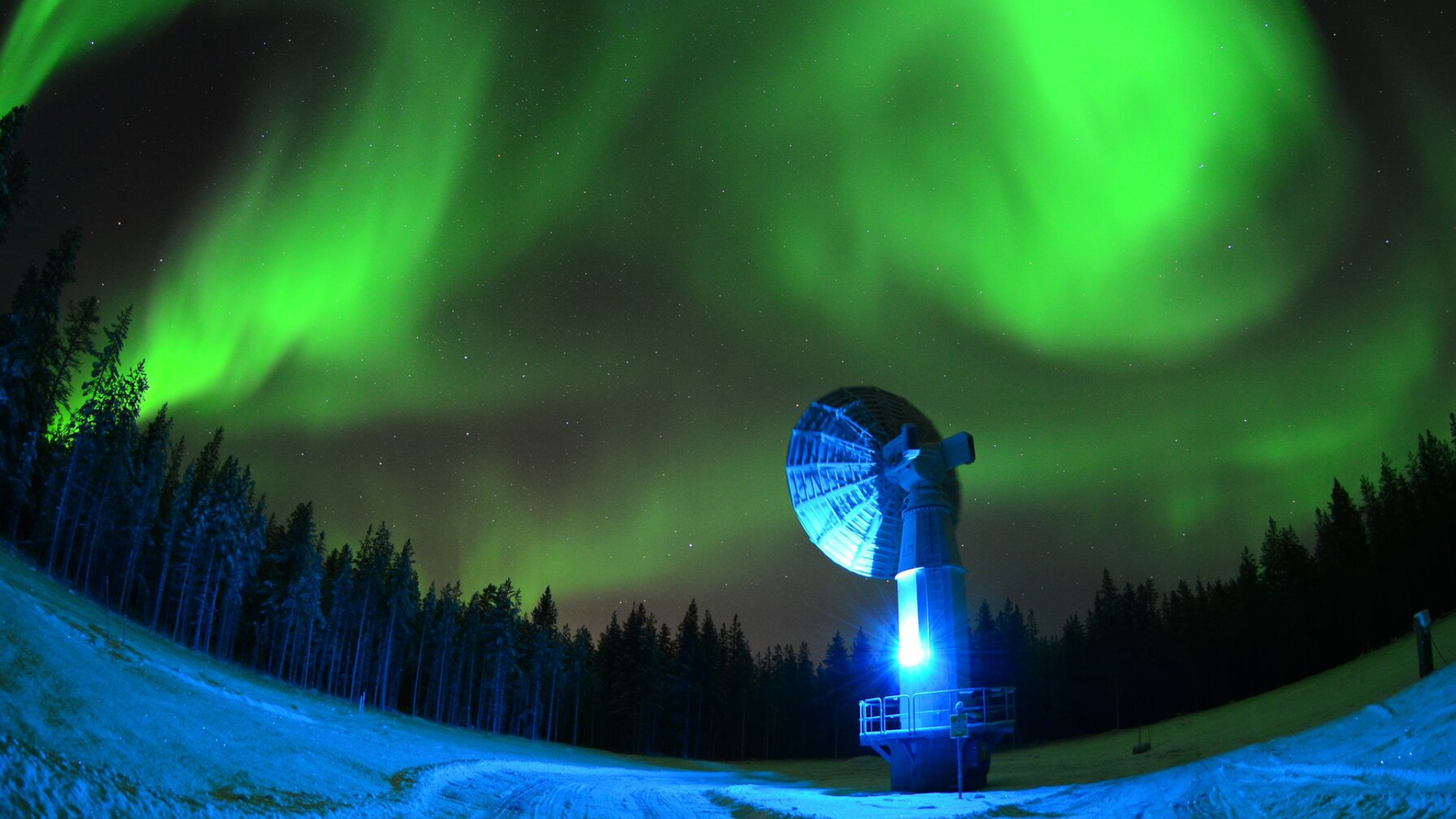
Aurora Borealis over a Satellite Antenna in Finland
This striking aurora borealis, captured as it unfolded above a ground-based satellite tracking antenna in Finland, reveals the impressive interaction between solar activity and Earth’s magnetic field. The photograph invites us to reflect on the connection between our planet and the cosmos, and on how science and technology enable us to study and admire natural phenomena that are as fleeting as they are majestice.
Credit: ESA
February 2024

Earth from Space: Chilean Glaciers
The Chilean glaciers of the Aysén Region reveal how the landscape has changed over the past decades, reflecting the impact of climate change. The photograph, captured by the Copernicus Sentinel-2 mission in February 2024, shows the retreat of the San Rafael and San Quintín glaciers, which has transformed Laguna San Rafael by forming new bodies of water and exposing the dynamics of the Patagonian ice. Satellite observations make it possible to document these processes with precision and to better understand the environmental challenges we face.
Credit: ESA
October 29th, 2025

Antarctic Glaciers and the Southern Ocean
The glaciers of Antarctica and the vast expanse of the Southern Ocean reveal the interaction between ice and sea in one of the most remote regions on the planet. Changes in sea ice cover alter the availability of light and the dynamics of nutrients, transforming the polar landscape and highlighting the effects of climate change on these ecosystems. The image invites us to contemplate the magnitude and fragility of the Antarctic glaciers, witnesses to the ongoing transformation of our planet.
Credit: ESA